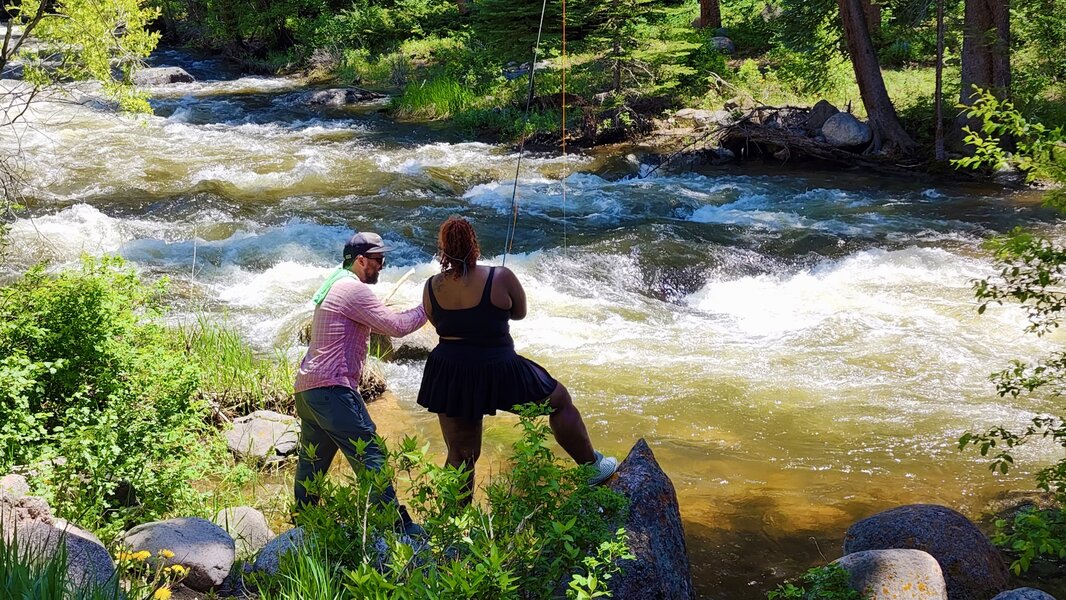
Outdoor recreation has long been viewed as a universal activity that offers health, relaxation, and community connection. However, access to these natural spaces is not equally available to everyone. Many marginalized groups face significant barriers that prevent them from enjoying the outdoors, including economic, physical, and social obstacles.
Historically, parks and outdoor facilities have been designed without considering the diverse needs of all community members. This oversight has led to a disparity in who can comfortably and safely access these areas. For example, individuals with disabilities often encounter physical barriers such as uneven terrain, lack of ramps, or inaccessible restrooms. Economic barriers also play a role, as some communities lack nearby parks or cannot afford transportation to reach outdoor destinations.
Advocates argue that outdoor spaces should be inclusive and equitable, emphasizing that everyone has the right to enjoy nature regardless of their background or physical ability. Initiatives are underway to improve accessibility by designing parks with universal features, such as wheelchair-friendly pathways, sensory-friendly areas, and multilingual signage. These efforts aim to dismantle barriers and foster a sense of belonging for all community members.
Furthermore, policy changes are being promoted to ensure equitable distribution of outdoor resources. This includes investing in underserved neighborhoods, creating community-led outdoor programs, and involving local residents in planning processes. Such measures not only enhance access but also strengthen community ties and promote environmental stewardship.
In addition to physical accessibility, there is a growing recognition of the importance of cultural inclusivity. Outdoor spaces should reflect the diverse identities of their users, incorporating elements that celebrate different cultures and histories. This approach helps to create welcoming environments where everyone feels represented and valued.
Despite these positive developments, challenges remain. Funding limitations, bureaucratic hurdles, and societal attitudes can hinder progress toward equitable outdoor access. Continued advocacy, public awareness, and collaborative efforts are essential to overcoming these obstacles and ensuring that the outdoors truly belong to everyone.
Ultimately, making outdoor spaces accessible and inclusive is not just a matter of fairness but also a pathway to healthier, more connected communities. By addressing existing disparities, society can foster a culture of shared outdoor enjoyment that benefits all individuals and future generations.